Plastik malzemelerin muayenesi ve sınıflandırılması
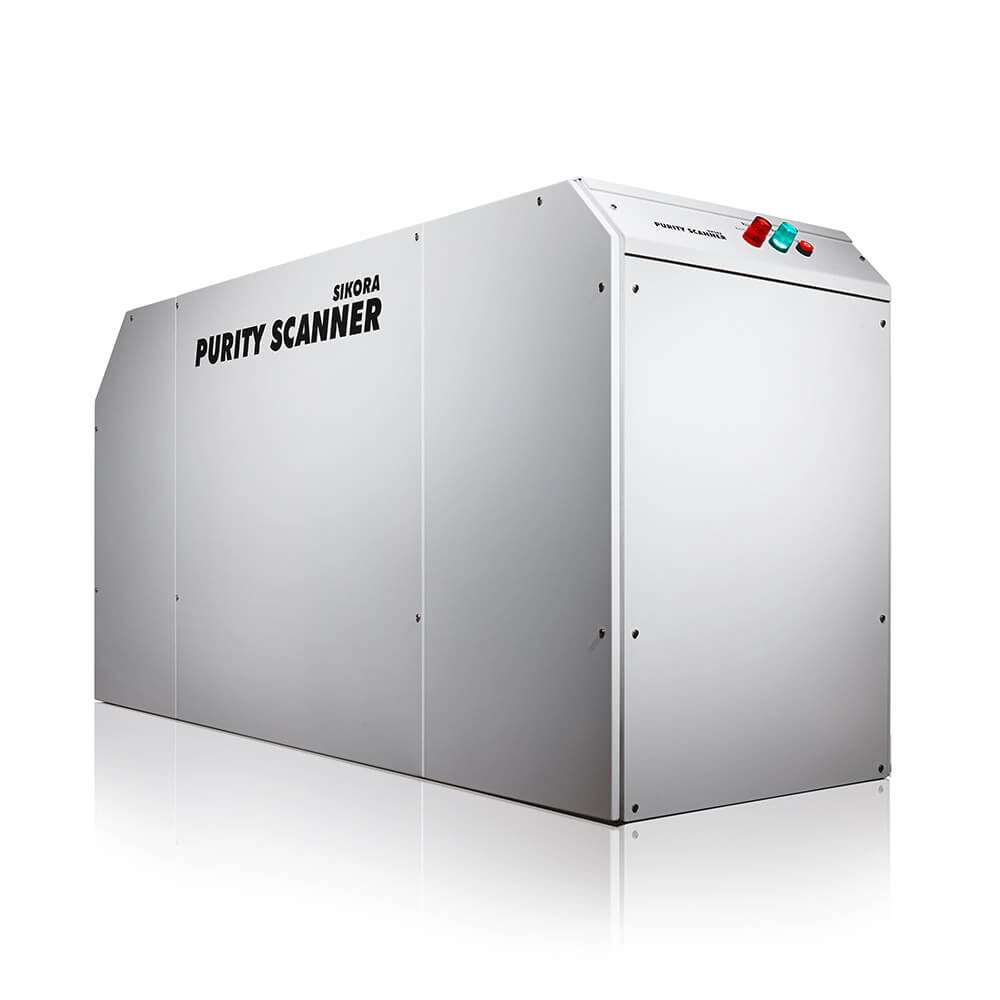
PURITY SCANNER ve PURITY SCANNER ADVANCED kontrol ve ayırma sistemleri, özellikle plastik endüstrisinin gereksinimlerine uyarlanmıştır. Sabit bir malzeme kalitesi sağlar, olası hasar riskini en aza indirir ve kontamine malzemeden kaynaklanan geri dönüşleri ortadan kaldırır, bu da güçlü bir rekabet avantajı ve hızlı bir amortismana yol açar.
PURITY SCANNER/ADVANCED
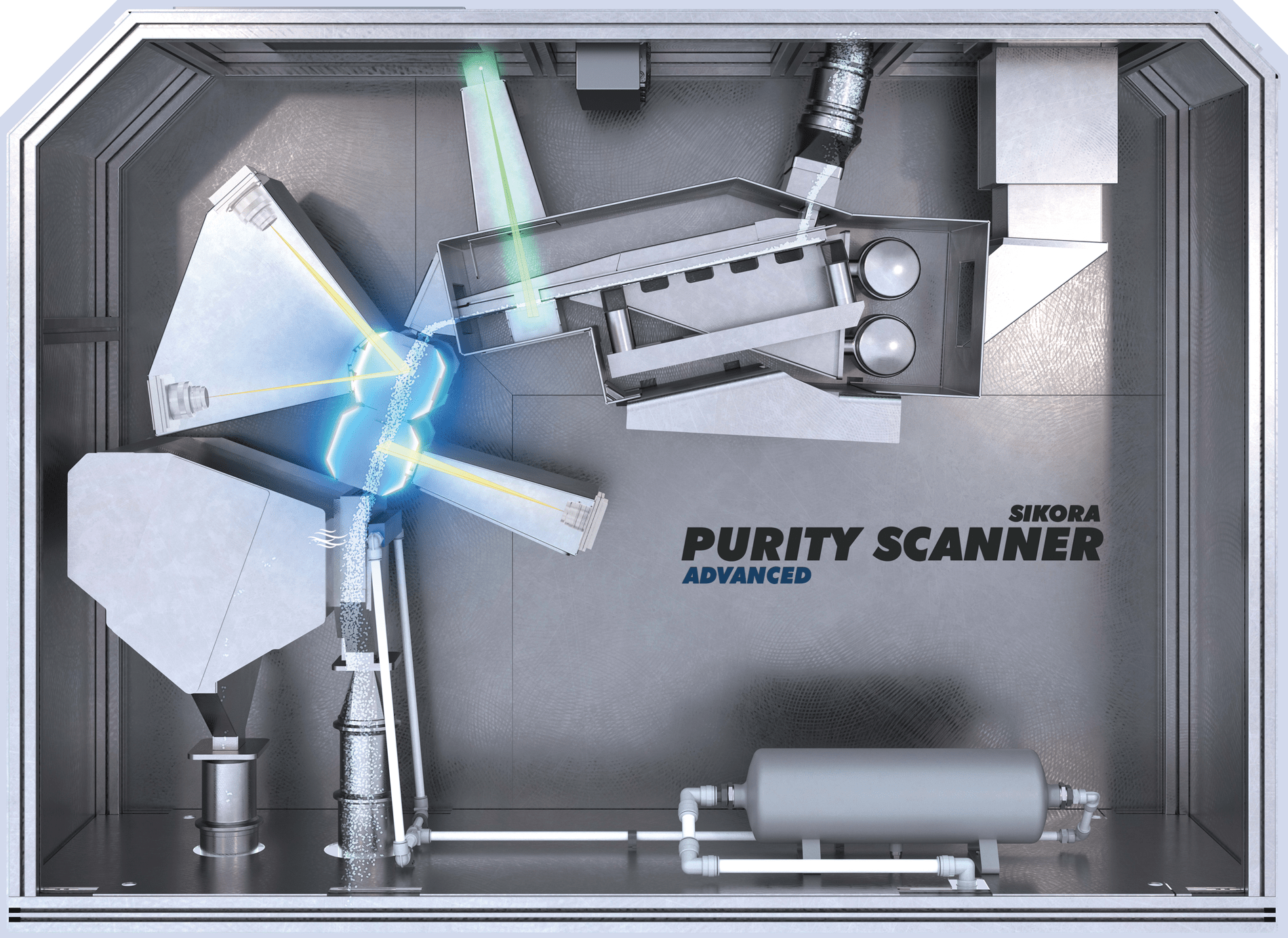
SIKORA, PURITY SCANNER'ı sunar. Bir X-ışını ölçüm sisteminin avantajlarını bir optik sistemin avantajlarıyla akıllıca birleştiren ve bir pelette olduğu kadar kirleri de algılayan ve kirlenmiş peletleri otomatik olarak ayıran etkileyici bir sistem.
Her iki teknolojinin uygulanması eşi olmayan, benzersizdir ve endüstri için olağanüstü yeni bakış açısı sunar. Özel olarak geliştirilmiş X-ray teknolojisi sayesinde, PURITY SCANNER, safsızlıklar için bile renkli (ör. Siyah) topakları inceleyen ve onları otomatik olarak ayıran ilk sistemdir.
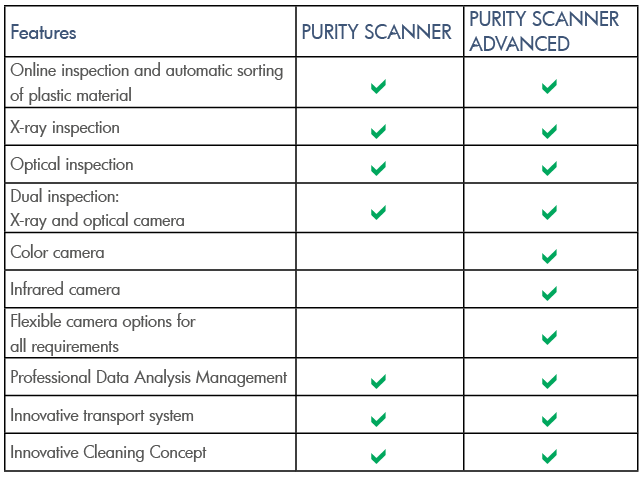
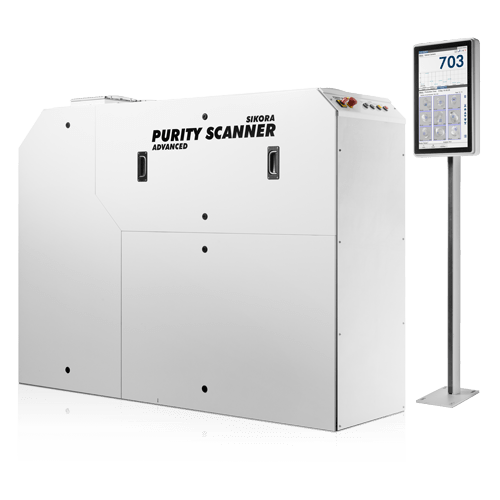
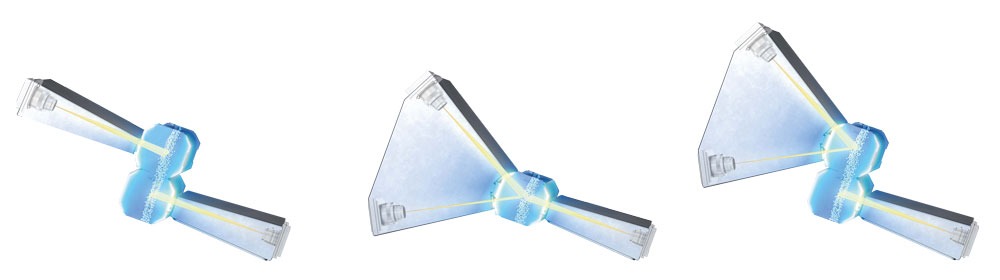
SIKORA'nın PURITY SCANNER ADVANCED sistemi, plastik peletlerin %100'ünü çevrimiçi olarak kontrol eder ve 25 µm'den itibaren kirlenmiş peletleri otomatik olarak ayırır. Sistem, X-ray teknolojisini esnek bir optik sistemle birleştirir. X-ray kameraya ek olarak, beklenen kontaminasyona ve uygulamaya bağlı olarak üç adede kadar kamera takılabilir. Her tür pelet güvenilir bir şekilde kontrol edilir. X-ray kamera, pelet içindeki ve yüzeyindeki metalik kirlilikleri algılar. Şeffaf veya yarı saydam ve renkli hammaddelerdeki renk sapmaları optik kameralar tarafından tespit edilir. Kontaminasyon otomatik olarak ayıklanır ve böylece malzeme kalitesi sağlanır.
Özellikler PURITY SCANNER / ADVANCED
- % 100 muayene ve plastik peletlerin otomatik sınıflandırılması
- İkili denetleme: X-ışını ve optik kameralar (PURITY SCANNER)
- X-ışını, optik kameralar ve renkli kameralar ile muayene (PURITY SCANNER ADVANCED)
- Yüzeyde ve pelet içinde 25 μm kadar küçük metalik ve organik kirlenmenin tespiti
- Yalıtımlı sistem, toza karşı optimum koruma
- Yeni ve mevcut üretim hatları için profesyonellik
Görselleştirme ve analiz
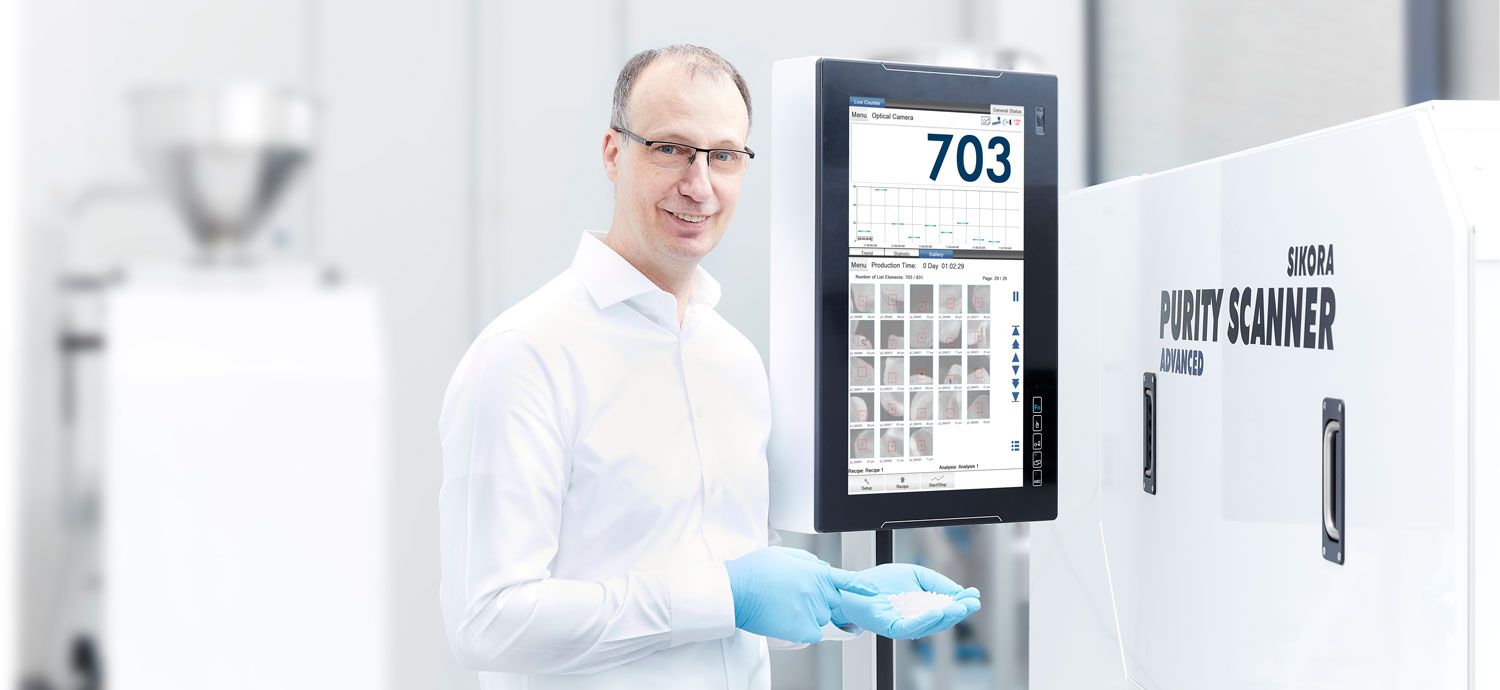
Profesyonel Veri Analizi
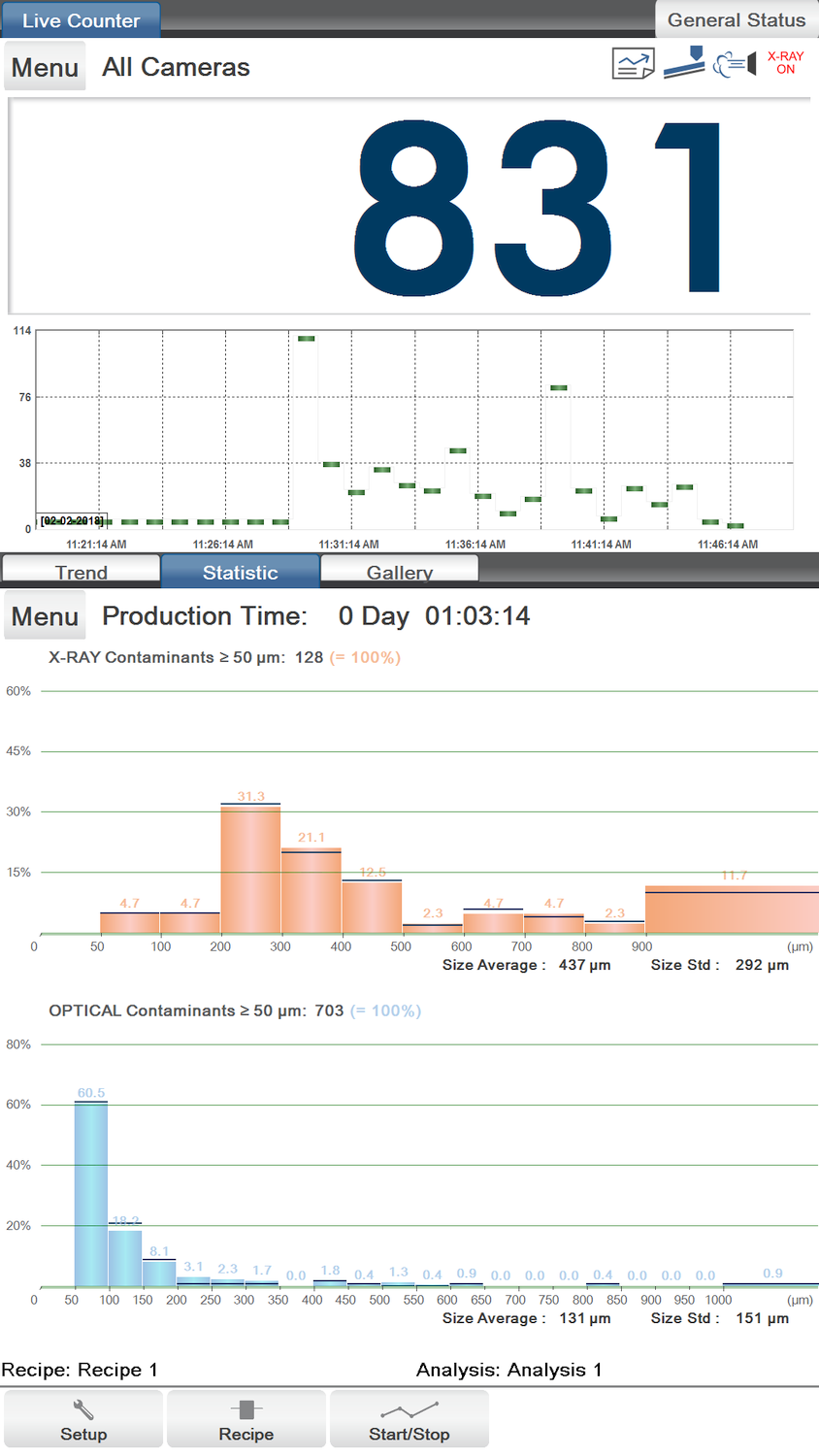
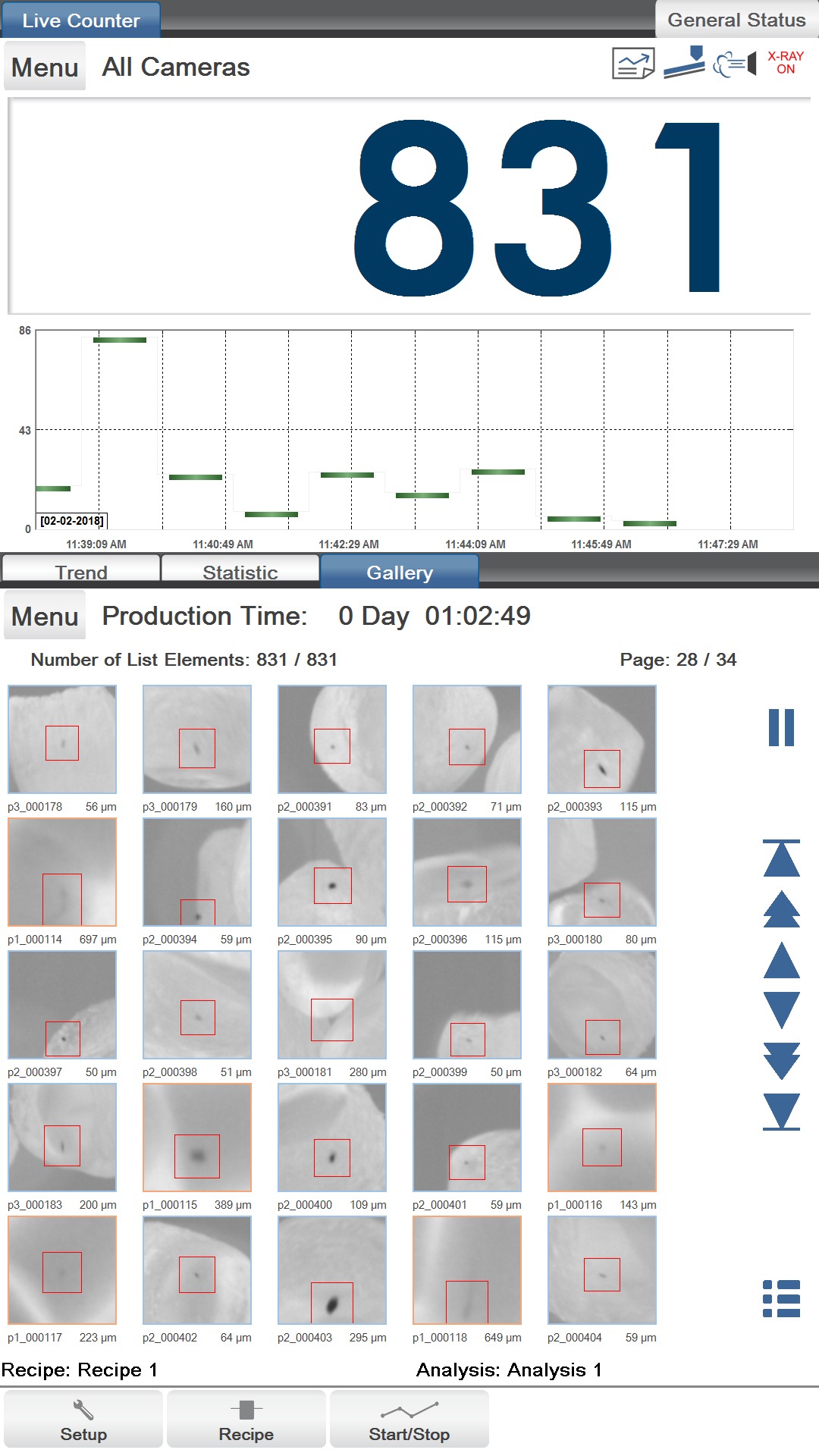
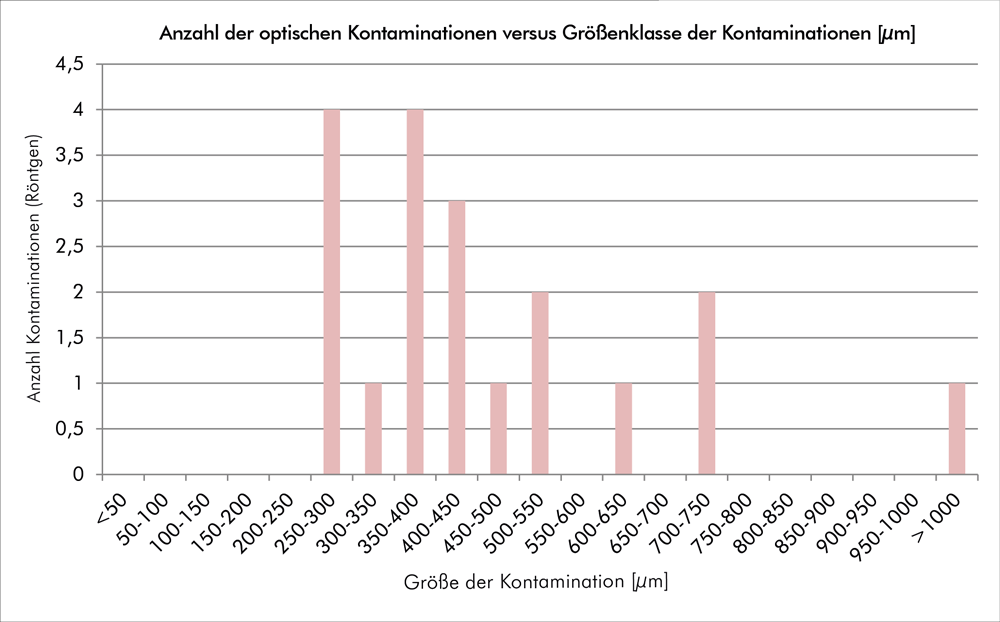
Profesyonel Veri Analizi Yönetimi (PDAM), optik, renkli kameraların yanı sıra X-ışını tarafından tespit edilen peletlerin bir resim galerisinin yanı sıra boyut ve sıklığa göre tespit edilen tespit edilen kontaminasyonun istatistiksel bir değerlendirmesini sağlar. Tüm veriler otomatik olarak kaydedilir ve MS Excel formatında ve bir görüntü dosyası ile birlikte zaman ve parti numarası gibi bilgiler mevcuttur. Üretim hattında, Profesyonel Veri Analizi Yönetimi, PURITY SCANNER işlemci sisteminde rahatça çalıştırılır. Ek bir kullanıcı arayüzü gerekli değildir.